
Health Considerations
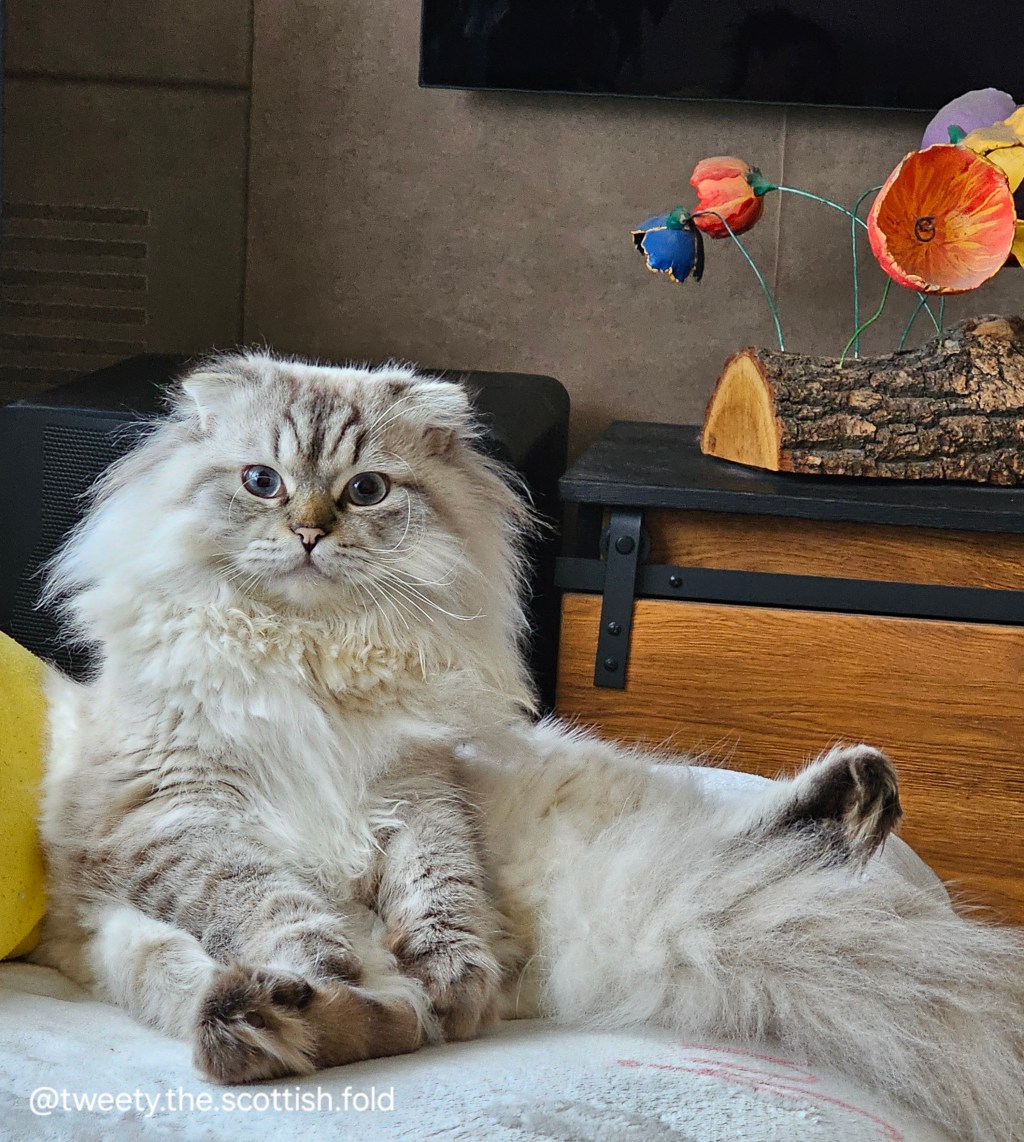
The Scottish Fold cat, known for its distinctive folded ears and owl-like appearance, is a beloved breed admired for its charming personality and unique look. However, this breed’s genetic makeup predisposes it to certain health issues that potential owners should understand. This article explores the health concerns associated with Scottish Folds, their care requirements, and tips for ensuring a healthy, happy life for these endearing cats.
The Genetic Basis of Scottish Fold Health Issues
The Scottish Fold’s signature folded ears result from a genetic mutation affecting cartilage development. This mutation, while responsible for the breed’s characteristic appearance, is also linked to a condition known as osteochondrodysplasia (OCD). OCD affects the development of cartilage and bone, leading to potential health complications, particularly in the joints and skeleton.
The gene responsible for the folded ears is dominant, meaning that a cat needs only one copy of the gene to exhibit the trait. However, cats that inherit two copies of the gene (homozygous) are at a significantly higher risk of severe health problems compared to heterozygous cats (those with one copy). Responsible breeders typically avoid breeding two folded-ear cats together to reduce the likelihood of producing homozygous kittens.
Common Health Issues in Scottish Folds
1. Osteochondrodysplasia (OCD)
Osteochondrodysplasia is the most significant health concern for Scottish Folds. This condition can cause abnormal bone and cartilage growth, leading to issues such as:
- Joint pain and stiffness: Affected cats may develop arthritis or experience difficulty moving, particularly in the tail, legs, and spine.
- Shortened or thickened limbs: Some cats may have visibly abnormal limb structure.
- Tail stiffness: A hallmark of OCD is a rigid or inflexible tail, which can be painful and affect mobility.
Symptoms of OCD can vary in severity. Some cats may show mild symptoms and live relatively normal lives, while others experience chronic pain and mobility issues. Early veterinary evaluation and ongoing monitoring are critical for managing this condition.
2. Polycystic kidney disease (PKD)
Scottish Folds are also prone to polycystic kidney disease, a hereditary condition where cysts form in the kidneys, potentially leading to kidney dysfunction or failure over time. While PKD is more commonly associated with Persian cats, some Scottish Fold lines may carry the gene due to crossbreeding. Symptoms include increased thirst, frequent urination, weight loss, and lethargy. Regular veterinary checkups, including ultrasounds, can help detect PKD early.
3. Hypertrophic cardiomyopathy (HCM)
Certain Scottish Folds may be susceptible to hypertrophic cardiomyopathy (HCM), a heart condition where the heart muscle thickens, impairing its ability to pump blood effectively. Symptoms may include lethargy, difficulty breathing, or sudden collapse. HCM can be difficult to diagnose without specialized tests like echocardiograms, so regular cardiac screenings are recommended, especially for older cats.
4. Ear Issues
The folded ears of Scottish Folds can predispose them to ear infections and wax buildup due to the altered ear canal structure. Owners should regularly inspect and clean their cat’s ears (with veterinary guidance) to prevent infections. Symptoms of ear issues include head shaking, scratching, or an unpleasant odor from the ears.
5. Obesity
Scottish Folds have a tendency to gain weight, especially if they lead a sedentary lifestyle or have mobility issues due to OCD. Obesity can exacerbate joint problems and increase the risk of diabetes and other health issues. A balanced diet and regular, gentle exercise are essential for maintaining a healthy weight.
Veterinary Care and Monitoring
To ensure the best quality of life for a Scottish Fold, proactive veterinary care is essential. Here are some key recommendations:
- Regular Checkups: Annual or biannual vet visits can help catch health issues early. X-rays, ultrasounds, and blood tests may be used to monitor for OCD, PKD, or other conditions.
- Genetic Screening: When adopting or purchasing a Scottish Fold, inquire about the cat’s lineage and whether the breeder has screened for genetic conditions like PKD or OCD.
- Pain Management: Cats with OCD may require pain relief or anti-inflammatory medications. Work with a veterinarian to develop a tailored treatment plan.
- Dental Care: Like many breeds, Scottish Folds can develop dental issues. Regular teeth brushing and dental checkups can prevent gum disease and tooth loss.
- Spaying/Neutering: Unless breeding is planned (and done responsibly), spaying or neutering can reduce the risk of certain cancers and behavioral issues.

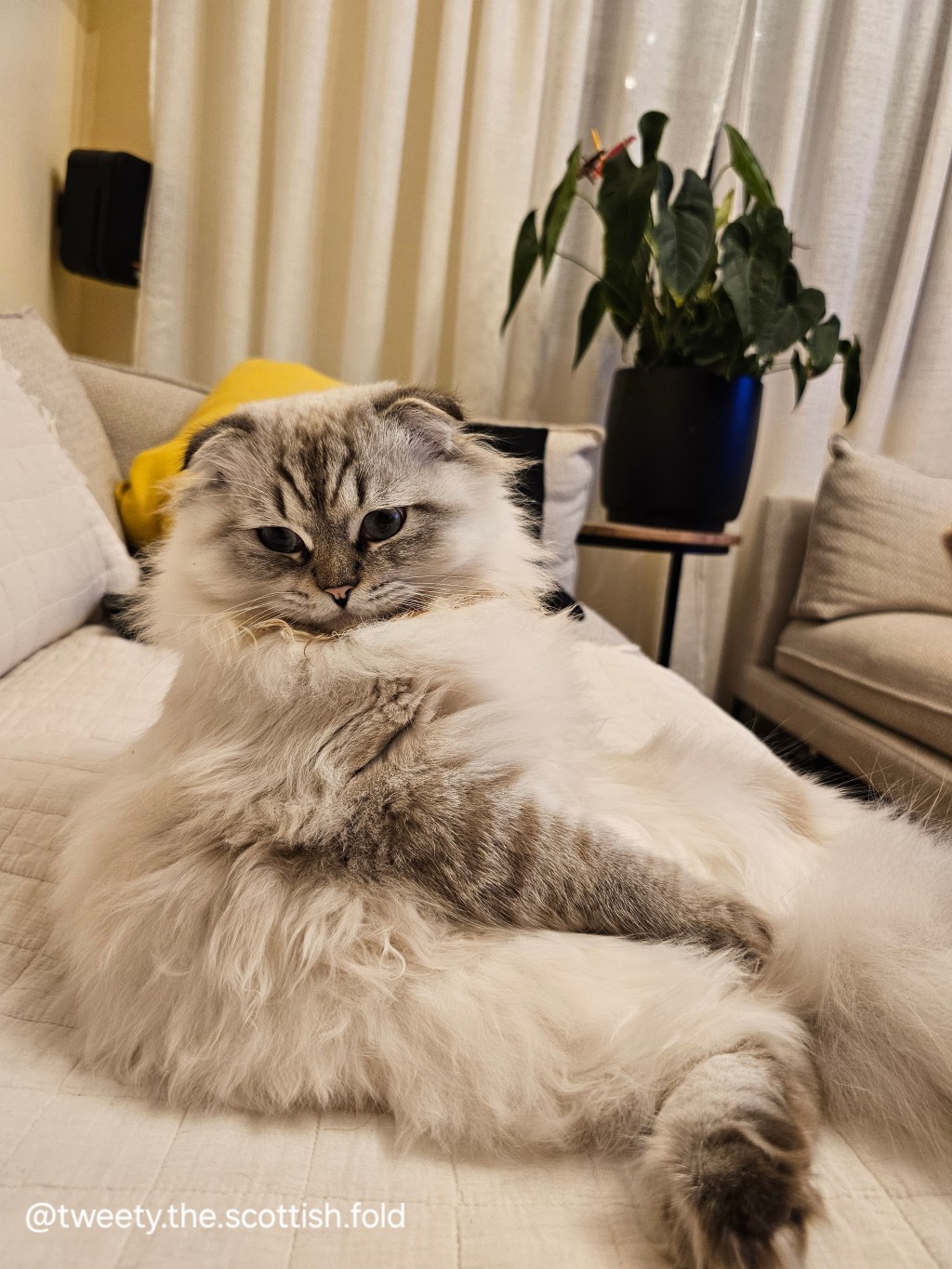
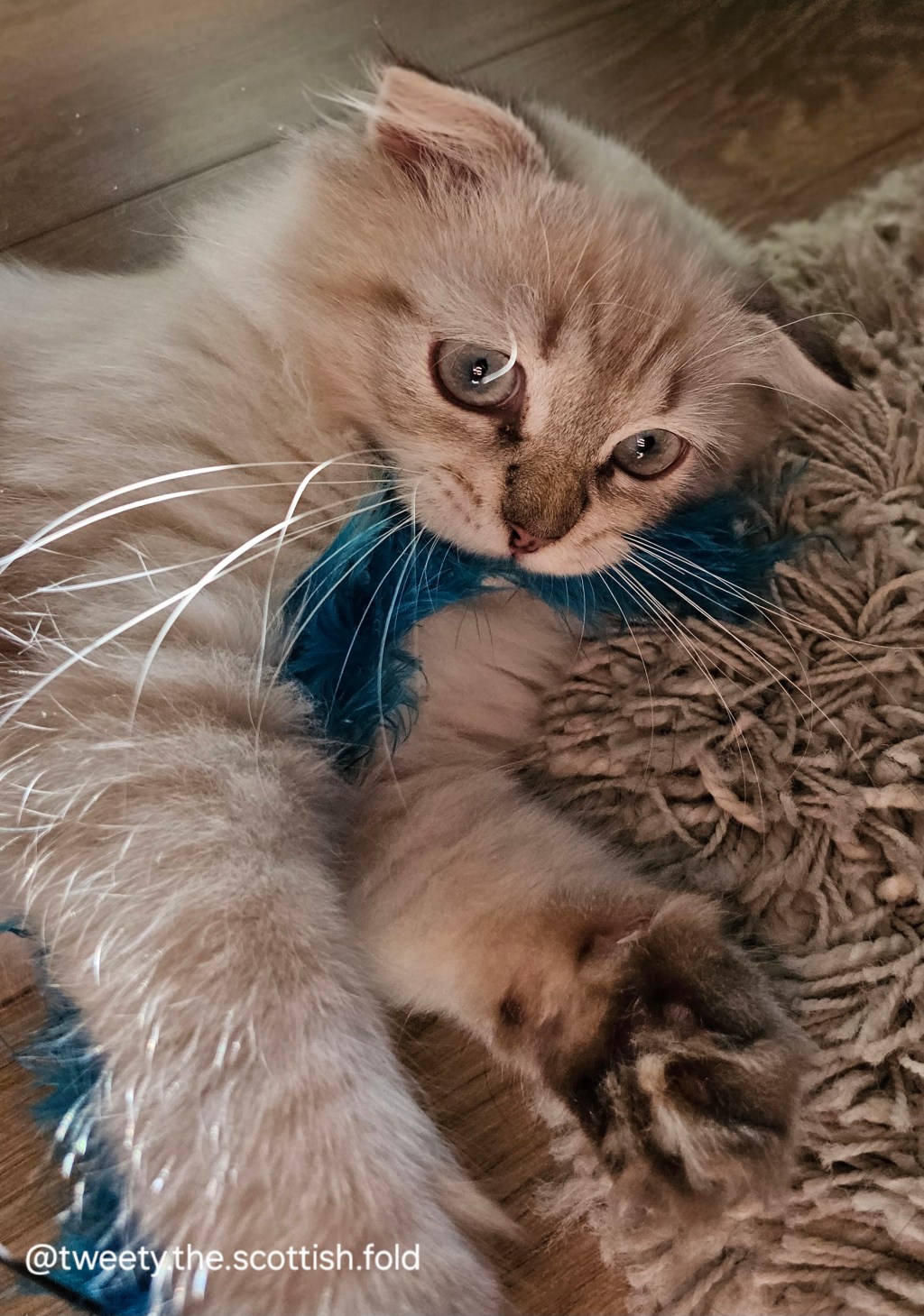
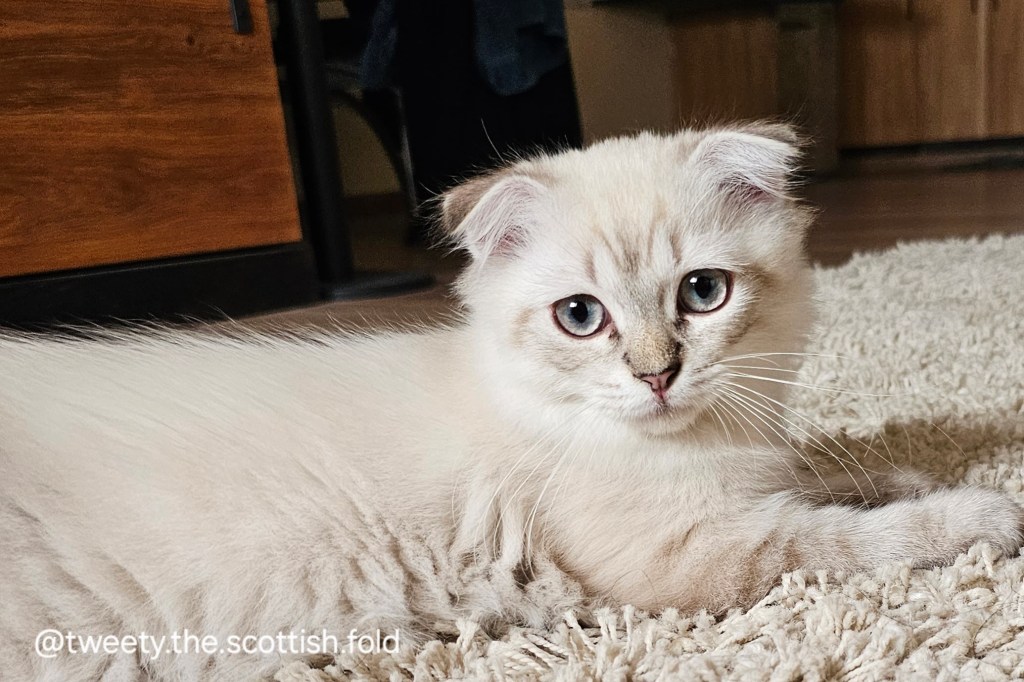
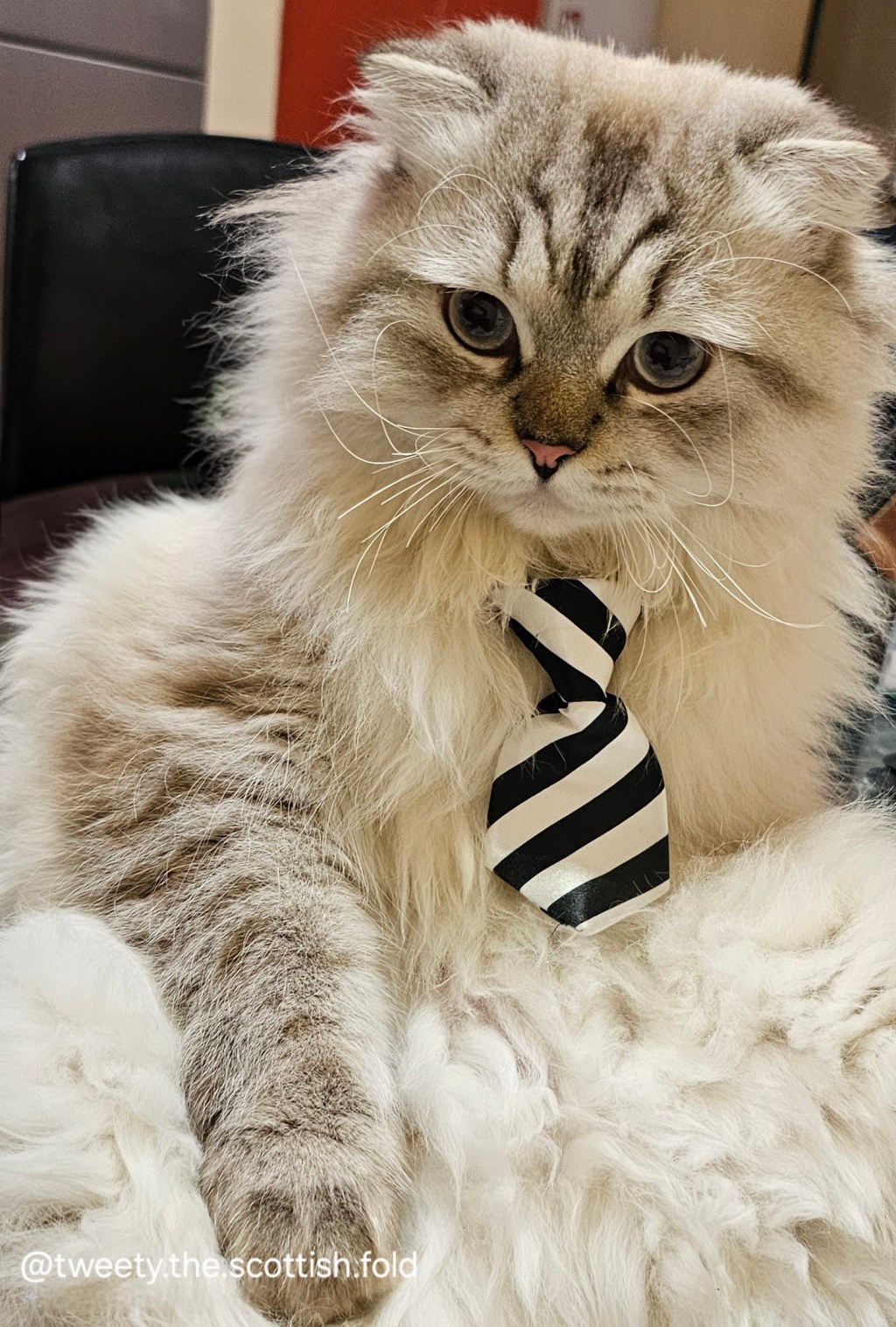
 Tweety the Scottish Fold - Scottish Fold Cats
Leave a comment